
 TrustScore 4.4 •

 French
 German
 Italian
 Arabic
 Japanese
 Spanish
 Korean
 Russian
 Portuguese
 Dutch
Dutch
 Norwegian
 Finnish
 Swedish
 Hebrew
 Greek
Greek

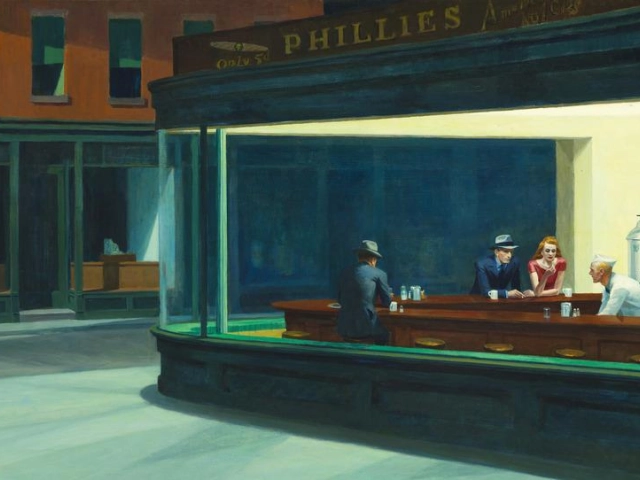
A hand-painted reproduction is a real oil painting, recreated brushstroke by brushstroke on canvas, while a print is a machine-made copy of a digital image. Paintings offer true texture, uniqueness and decades of durability at a higher price; prints are flat but cheaper. The right choice depends on your budget, your space and how long the artwork should last.
In this guide:
- The complete comparison: painting vs print
- Print or hand-painted painting: how to decide
- What is the difference between a hand-painted reproduction and a print?
- What types of art prints exist?
- How Artist Monkeys paints your reproduction
- How can you tell a hand-painted painting from a print?
- FAQ
The complete comparison: painting vs print
| Paper poster | Canvas / giclée print | Hand-painted oil reproduction | |
|---|---|---|---|
| How it's made | Machine printing on paper | Inkjet on canvas or archival paper | Painted by an artist, oil on canvas |
| Surface | Flat, glossy or matte | Flat; canvas weave only | Real brushstrokes and impasto relief |
| Uniqueness | Identical copies | Identical copies | Each piece slightly unique |
| Lifespan | A few years before fading | 5–10 years (standard inks) to ~80 years (giclée) | Decades to generations; oil hardens with time and can be re-varnished |
| Typical price | $10–$20 (+ frame) | $30–$250 | From about $90 to over $2,000 depending on size and quality |
| Value over time | None | Only signed limited editions retain value | The craft itself carries lasting worth |
| Best for | Temporary decor, dorms, teens' rooms | Mid-term decor on a budget | Statement pieces, gifts, art you keep |
Prices for posters and prints reflect ranges commonly observed across the market; hand-painted prices are Artist Monkeys' real range, shipping included.
Print or hand-painted painting: how to decide
Choose an art print if:
- your budget stays under $100
- the decor is temporary — a rental, a room you restyle often
- you need it on the wall within days
- you are composing a large gallery wall on a budget
Choose a hand-painted oil reproduction if:
- you want real texture and relief that catch the light
- the piece is a centerpiece meant to last for decades
- you value a unique, human-made work — no two copies are identical
- you want the presence of a museum wall, not a photo of it
Want to feel the true texture of a masterpiece at home?
Discover our hand-painted reproductions →What is the difference between a hand-painted reproduction and a print?
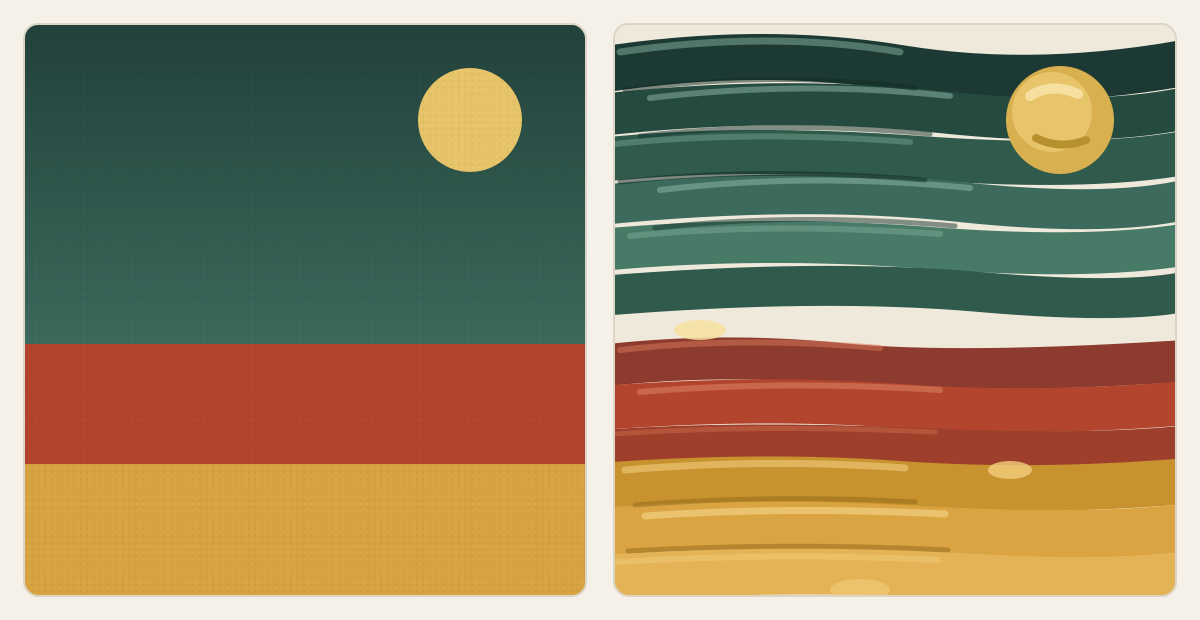
A hand-painted reproduction is created by a trained artist who studies the original work — its palette, brushwork and layering — and paints it again in oil on canvas. Every stroke is a human decision, which is why no two hand-painted copies are ever strictly identical. When you run your eyes across the surface in side light, you see genuine relief: ridges of paint, known as impasto, that catch the light exactly as they do on museum walls.
A print, by contrast, is produced by a machine. A digital photograph of the artwork is printed onto paper or canvas by an inkjet process. The result can be sharp and colour-accurate, but the surface stays flat: the "texture" you may perceive on a canvas print is the weave of the fabric, not the paint itself.
That difference in making explains every other difference — in feel, in durability, in price and in value. For example, our hand-painted reproduction of Edward Hopper's Nighthawks is painted in oil on canvas, layer after layer, the way Hopper — the American realist painter famous for his scenes of urban solitude — built the original in 1942.
What types of art prints exist?
Not all prints are equal. Three formats dominate the market:
- Paper poster. The cheapest option, usually $10–$20. Printed on paper, it tears and warps easily, fades fastest, and almost always needs a frame — which quietly doubles or triples the real cost.
- Canvas print. An inkjet image printed on canvas and stretched over a wooden frame. More robust than a poster and frame-free, but the surface is uniform and flat. With standard dye inks, colours can fade noticeably within 5–10 years in direct sunlight.
- Giclée print. Pronounced "zhee-CLAY", from the French gicler ("to spray"): a high-resolution inkjet print using pigment-based archival inks on acid-free paper or canvas. A quality giclée kept under glass in normal indoor light can last around 80 years, and far longer stored away from light, according to specialist print studios.
One trap deserves its own warning: the "hand-finished" or "oil-effect" giclée. It is a print over which a few brushstrokes of clear gel or paint are added — often in minutes — so the surface imitates a painting. It is sometimes sold at painting-like prices. If a "painting" is surprisingly cheap, ask the seller directly whether the whole image is painted by hand.
How Artist Monkeys paints your reproduction
Every reproduction is painted stroke by stroke by a trained artist — no machine, no textured print. Before shipping, your exact canvas is checked in photo and in video. Prices start at $90, and the timeline is honest: a small, simple canvas is ready in 1–2 weeks, while a large, highly detailed work — or one with adjustments you request — takes several weeks. Good painting takes the time it takes.
Meet our artists' collections →
How can you tell a hand-painted painting from a print?
Three checks reveal the difference in under a minute:
- Raking light. Hold the artwork at an angle to a lamp. A painting shows raised ridges and valleys of paint with real shadows; a print stays uniformly flat, as fine-art restorers explain.
- Magnification. Under a loupe, an inkjet or offset print dissolves into a regular grid or rosette of dots. Paint shows irregular pigment with no repeating pattern.
- Edges and back. On a genuine hand-painted canvas, paint typically wraps over the edges and the back of the canvas shows it. A print's edges are either perfectly clean or digitally "stretched".
Textured fakes exist — gel-coated prints imitate brushstrokes — but under magnification the "strokes" never vary in direction or thickness the way a painter's hand does.
Frequently asked questions
Is a hand-painted reproduction better than a print?
For texture, uniqueness and longevity, yes — a hand-painted oil reproduction is objectively superior, which is why it costs more. For low-budget or short-term decoration, a quality print is the smarter buy. "Better" depends on what you need the artwork to do.
How long do giclée prints last?
Around 80 years under glass in normal indoor lighting, and up to two centuries stored away from light, thanks to pigment-based archival inks. Standard-ink canvas prints fade much sooner — within 5–10 years in direct sunlight.
Are hand-painted reproductions worth the price?
If you value real brushwork and an artwork that outlives trends, yes. From about $90 at Artist Monkeys — free insured worldwide shipping included — a hand-painted oil costs a fraction of an original master while offering the same physical presence.
How long does delivery take?
Production of a hand-painted reproduction typically takes 1–4 weeks depending on size, complexity and texture. Your painting then ships worldwide with FedEx, DHL or UPS — free, fully insured, with a tracking code.
Can I return a painting if it doesn't suit my room?
Yes. Artist Monkeys offers a 15-day return window, and every painting ships fully insured against damage in transit.
The short version: prints decorate, paintings endure. If you're ready for the real thing, browse our most popular hand-painted reproductions or explore the classic masters in our painters' collections — every canvas painted by hand, shipped free and insured, anywhere in the world.