
 TrustScore 4.4 •

 French
 German
 Italian
 Arabic
 Japanese
 Spanish
 Korean
 Russian
 Portuguese
 Dutch
Dutch
 Norwegian
 Finnish
 Swedish
 Hebrew
 Greek
Greek

Rafael Pellicer Galeote
Rafael Pellicer Galeote: Andalusian light, classical craft
Family and formation
Rafael Pellicer Galeote was born in Madrid on 22 June 1906 and died there on 6 May 1963. He grew up among writers and musicians: his father, Julio Pellicer, was a writer, poet and playwright from Córdoba, his mother, Concha Galeote, a pianist. He was also a nephew by marriage of the painter Julio Romero de Torres.
Madrid training
He entered the School of Arts and Crafts in 1918 and, four years later, the School of Painting, Sculpture and Engraving in Madrid, where he studied under Cecilio Pla and under his uncle Julio Romero de Torres. He described himself as a disciple of Daniel Vázquez Díaz.
Awards
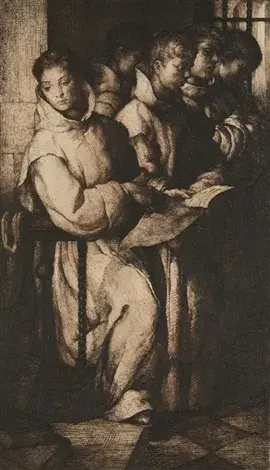
In 1932 he took a third medal at the National Exhibition of Fine Arts for the etching El relojero. In 1934 the Royal Academy of Fine Arts of San Fernando awarded him the Molina Higueras y Pascual prize for Umbría. In 1945 he won two first medals at the National Exhibition, one in painting for Adán y Eva, one in engraving for the etching Cantaoras.
Position and style
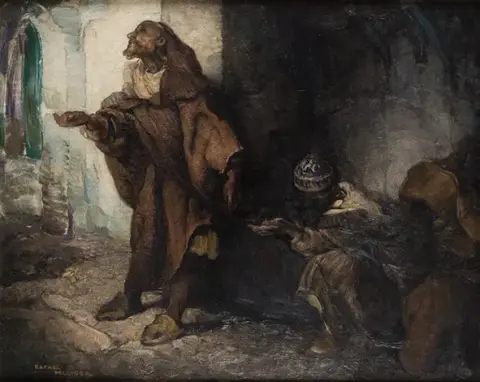
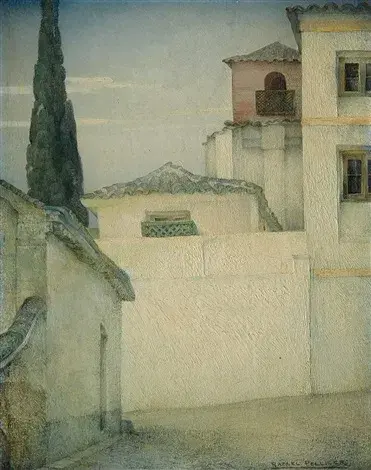
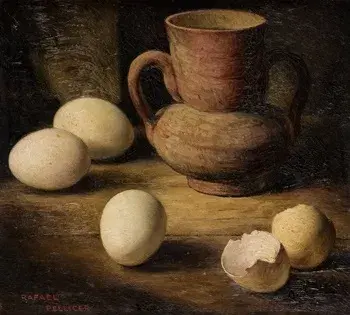
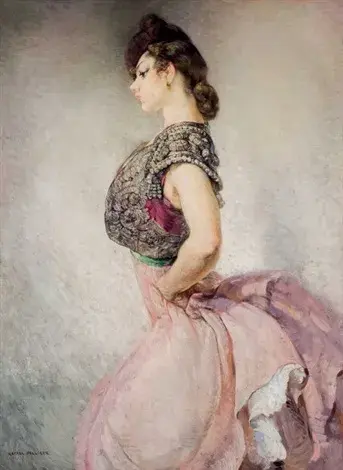
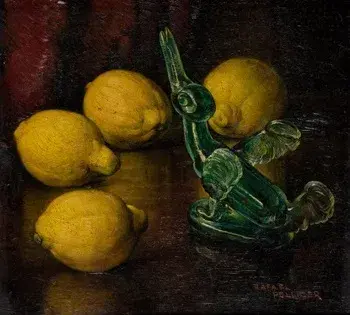
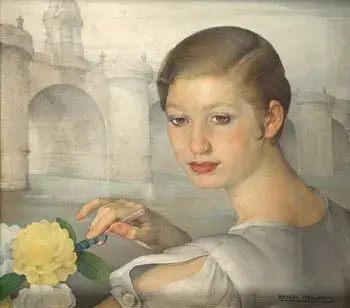
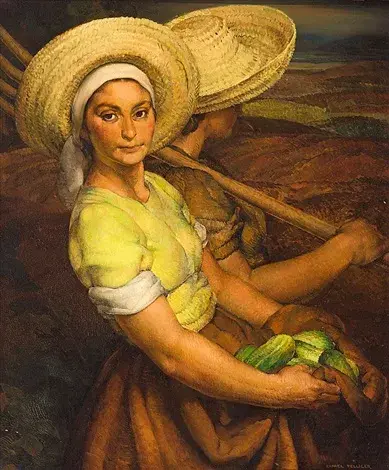
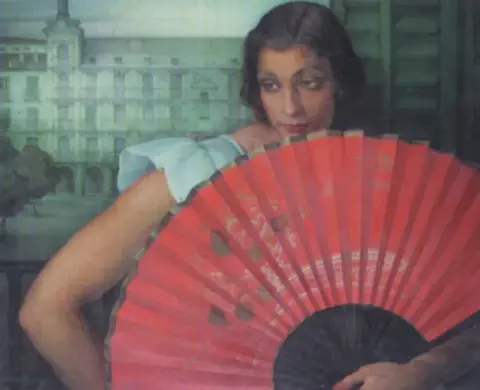
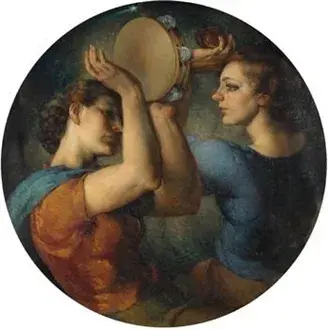
He was secretary of the Círculo de Bellas Artes in Madrid and taught at the Central School of Fine Arts of San Fernando. In 1963 he was elected to the Royal Academy of Fine Arts of San Fernando but died before taking his seat. His painting keeps an Andalusian and classical root while staying open to the European avant-gardes of his time; he never left figuration. Spanish Morocco drew him later on, as it did Mariano Bertuchi and José Cruz Herrera.
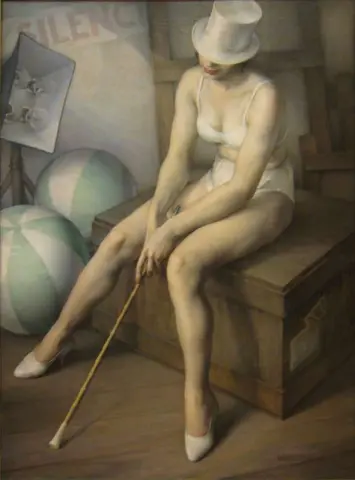
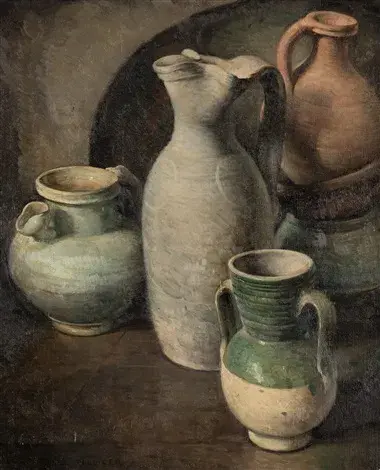
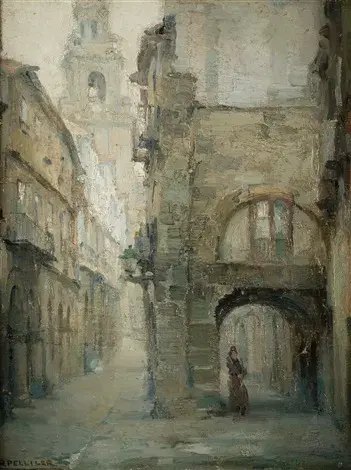
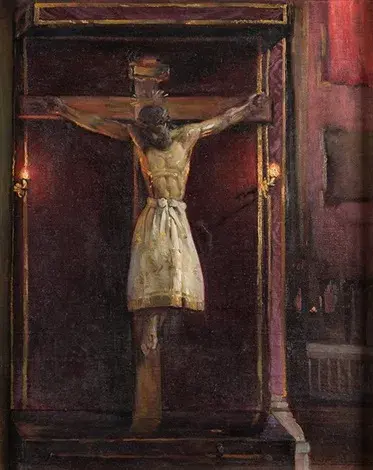
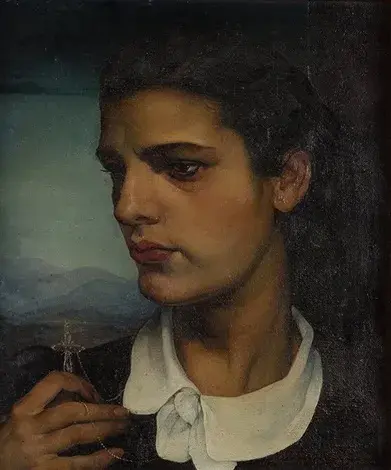
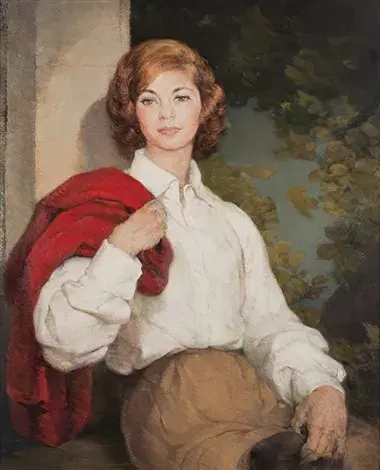
Reproductions of Rafael Pellicer Galeote’s work
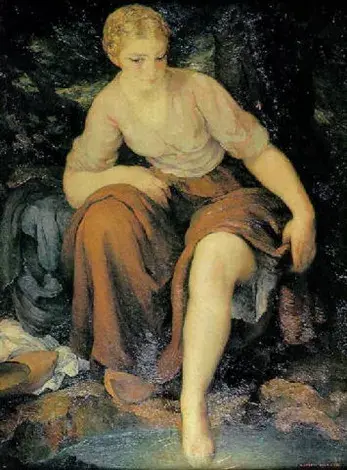
Every piece in this collection is made to order, either as a print on synthetic canvas or hand-painted in oil, in the size and finish you choose. Oil paintings are created by a senior artist, and every piece is quality-checked with photo and video before it ships.
- View less
Open Your Art Inspiration Feed ! Subscribe for Exclusive Art News, Blog Insights, and Special Offers